Industry expert Dallas Drapeau breaks down the crucial, often-missed steps in setting up virtual environments for LED volume stages in Unreal Engine 5, focusing on camera optimization, parallax, and advanced lighting techniques for photorealistic results.
Virtual Production (VP) stands as the revolutionary bridge between filmmaking, VFX, and game development. While many tutorials cover the basics of Unreal Engine, few dive into the secret industry knowledge required to make a VP environment truly shine on an LED volume stage. Fortunately, industry veteran Dallas Drapeau, who has worked on major titles like *The Mandalorian*, is here to share foundational knowledge often overlooked in standard education. The core difference? VP environments are built entirely for the camera, not for player exploration.

The Stage Dictates the Scene
The single most crucial starting point for any successful virtual production, according to Drapeau, is understanding the physical stage itself. LED volumes vary drastically in size, shape (horseshoe, flat screen, etc.), and configuration. Artists must obtain the exact dimensions of the intended stage—often available on the studio’s website—and bring a model representing those boundaries into Unreal Engine. Without this critical step, the virtual environment cannot be properly oriented or composed to fit the cinematic frame. For those building portfolios, the expert strongly recommends modeling an environment that explicitly fits a known stage’s dimensions to demonstrate expertise.
Defining the Composition
Once the stage boundaries are established, the next steps involve careful scene setup. The creator suggests applying a simple, translucent, high-contrast grid material to the stage model to visualize spatial relationships clearly. Furthermore, it is essential to distinguish between virtual assets and practical, physical assets that will be built and placed in front of the screen (such as ground elements or benches). Simple decals or stencils in the engine environment help communicate clearly to the production designer what needs physical sourcing.
Drapeau also stresses the importance of including a stand-in subject from the start. Composing the scene around a central focus ensures the environment is optimized correctly. You can join the creator’s community for more real-time VP discussions via their Discord server.
Optimizing for the Cinematic Camera
Unlike traditional game development, where performance must be maintained across a sprawling, interactive world, VP allows artists to optimize detail strictly based on the cinematic camera’s needs. If the camera doesn’t see it, or if it is outside the frame, the detail can—and should—be minimized or removed entirely.
The Power of Parallax
One of the most foundational concepts in VP that artists often miss is parallax. Parallax refers to the perceived depth created by the relative motion of objects when the camera moves. If foreground, midground, and background elements are not sufficiently distanced, camera movement will fail to create natural depth, resulting in the environment looking like a static flat screen. The artist advises ensuring distinct layers exist at sufficient depth to maintain believability. Subtle additions, like falling leaves or swaying trees, also add a vital sense of life to the scene.
Advanced Lighting and Post-Processing Secrets
Lighting, often consuming months on a major production, is the second most integral component of successful virtual production. Environments must be adaptable for day and night use. A powerful trick is the strategic use of spotlights to make specific features pop, ensuring the lighting directs the audience’s attention where the director intends.
Neutralizing the Output
Drapeau emphasizes using post-processing volumes for managing exposure and contrast. Crucially, artists must use local exposure settings to prevent shadows from falling completely to black. Captured footage needs to retain visual data in the shadows for later color correction work. This means adjusting the toe and shadow contrast in the post-process volume to lift the shadows appropriately, especially for darker night scenes.
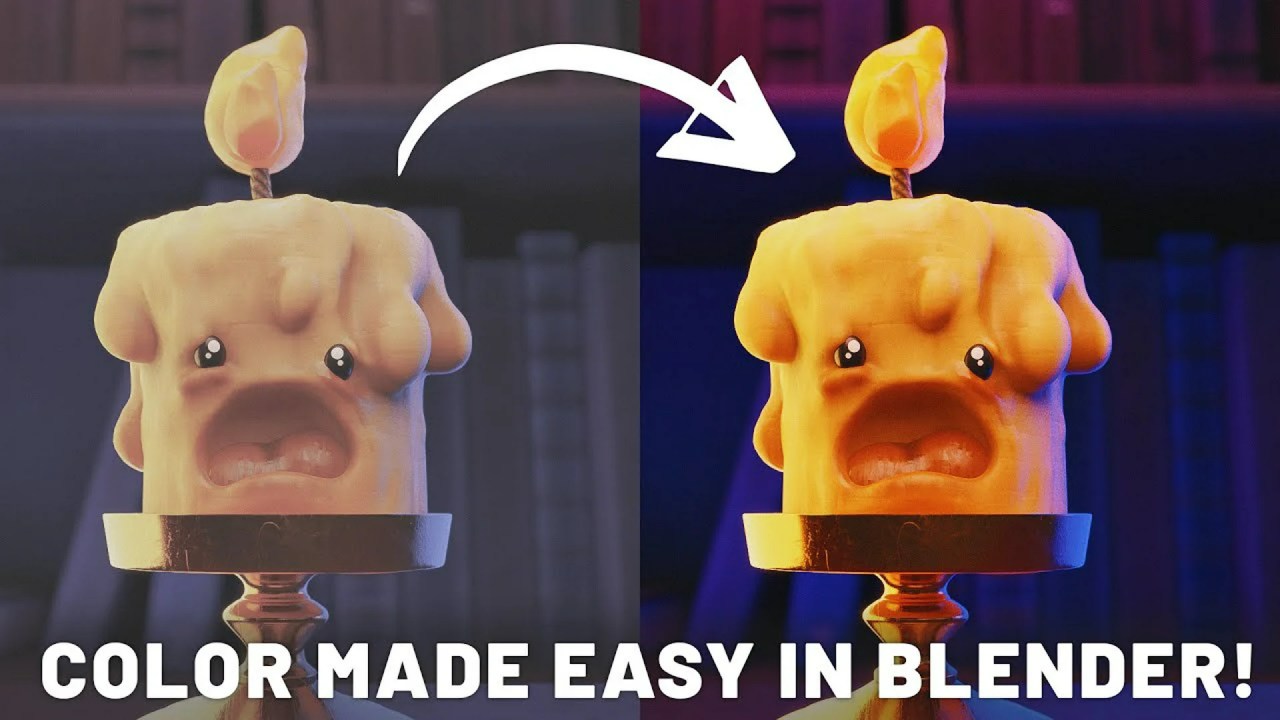
Finally, the expert highlights the importance of using LUTs (Look-Up Tables) to correct the default color biases often present in Unreal Engine’s output (frequently a subtle magenta bias). Epic Games provides excellent resources on this topic, including the official documentation for Using Look-Up Tables for Color Grading.
Conclusion
Virtual Production offers an exciting, specialized career path for artists transitioning from game development or VFX. By focusing on fundamental stage geometry, camera-centric optimization, and cinematic lighting principles, artists can elevate their work from simple game scenes to polished, high-fidelity virtual sets. Learning these specialized techniques provides a substantial advantage in the evolving world of filmmaking.
If you’re looking to further refine your digital landscapes, explore more tips on Environment & World Building in Unreal Engine, or dive deeper into making your scenes shine with guides on Lighting & Rendering.
Source:
Unreal Engine 5: Virtual Production Secrets They DON’T Teach You